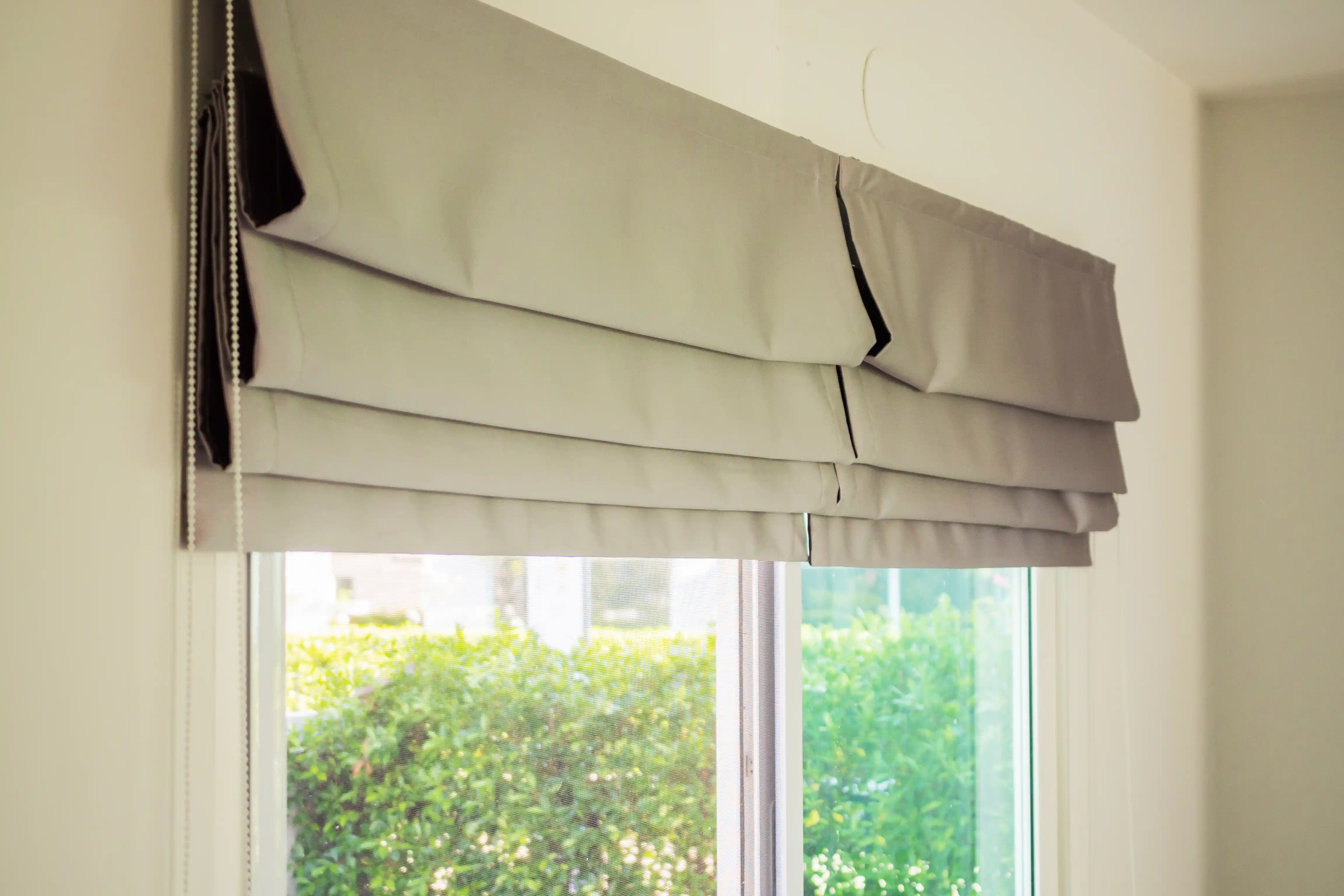
When temperatures rise, many people immediately think of switching on the air conditioner. But with energy costs increasing and a growing focus on sustainability, more homeowners are looking for smarter ways like window blinds to keep rooms cool without relying on AC all day. Window blinds are one of the simplest, most effective tools for heat control you might already have at home, but probably are not using to their full potential.
By choosing the right window blinds and using them strategically, you can cut heat gain, protect interiors from harsh sunlight, and make your rooms noticeably more comfortable. In this blog, we will explore how different types of blinds for windows, including blackout blinds for windows and roller blinds, actually help beat the heat and how to get the best performance from them.
Window blinds work as a barrier between the sun’s rays and your interior space. Glass on its own lets sunlight pass through easily, which then turns into heat once it is inside your room. Window blinds help in three main ways.
First, window blinds reduce direct solar gain by blocking or reflecting sunlight before it spreads across your floors, furniture and walls. Second, window blinds create a layer of insulation, even a thin air gap between the window blinds and the window glass can slightly slow down heat transfer. Third, blinds for windows let you control light and ventilation, allowing you to block harsh light while still letting in air if the window is open.
The effectiveness depends on the material, colour and fit. Light-coloured window blinds tend to reflect more sunlight, while tighter-fitting blinds for windows reduce the amount of hot air that can circulate around the sides. When combined with good habits, like closing blinds at the right time of day, they can significantly lower indoor temperatures without turning on the AC.
You might wonder why blinds for windows can sometimes perform better than traditional curtains. While curtains are useful, they often hang away from the window surface, leaving a larger space for hot air to move around and leak into the room. Many curtain fabrics are also relatively thin or loosely woven, so they may not block as much sunlight or heat.
Window Blinds, especially when properly measured and installed, usually sit closer to the glass and cover the full window opening more neatly. This improves their ability to block and reflect sunlight. Slatted or layered window blinds also allow more precise control of light, so you can angle the slats to let in natural light while avoiding direct beams of heat. In compact urban homes, window blinds take up less space, look modern and can be combined with curtains to further improve heat control.
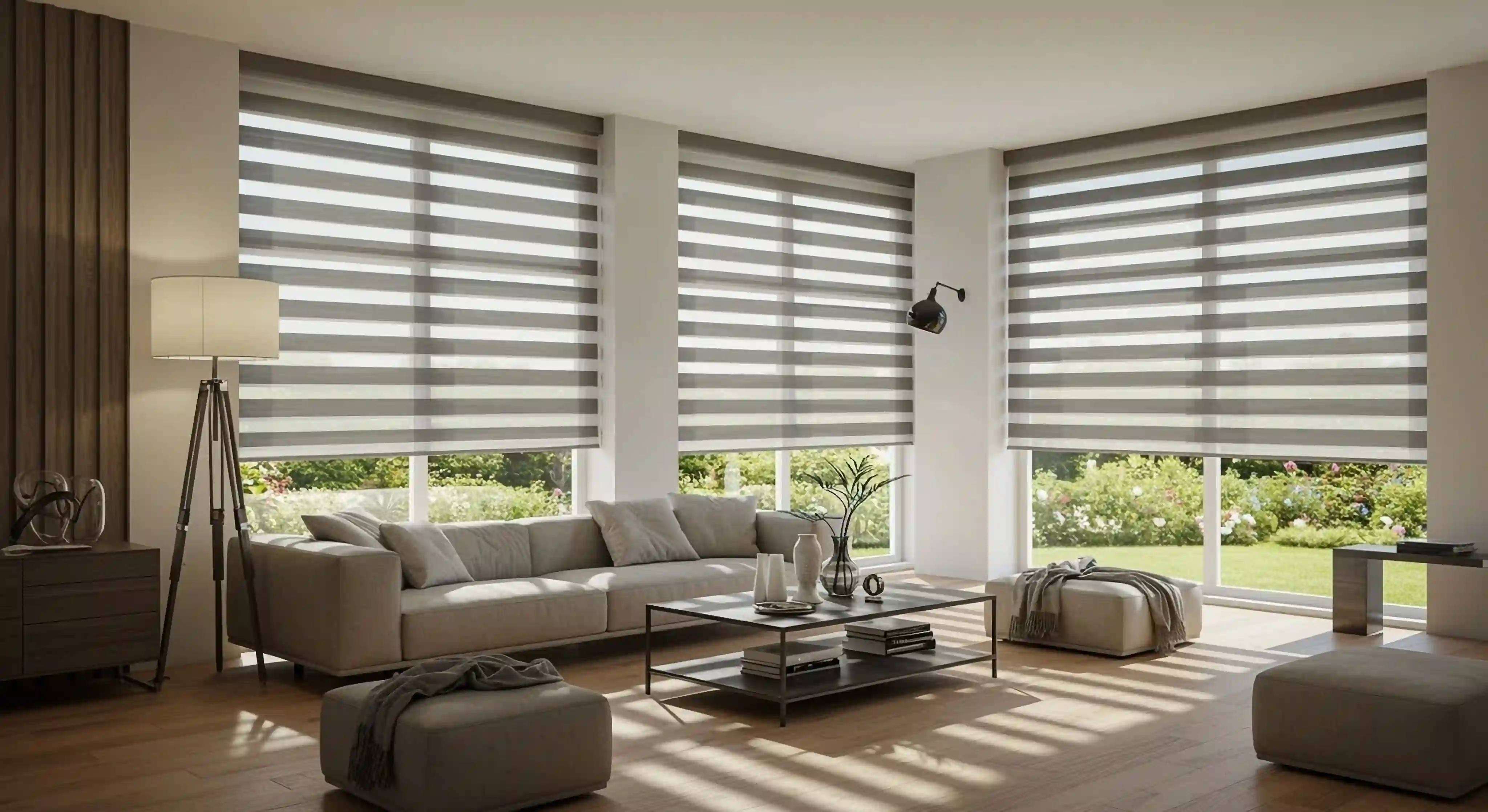
To truly beat the heat without AC, you need both the right type of window blinds and the right daily routine. Start by identifying the windows that receive the most sunlight, typically east-facing in the morning and west-facing in the afternoon. These are the priority windows where good blinds for windows will make the biggest difference.
During hot seasons, keep window blinds fully or partially closed during peak sunlight hours. Close them completely when you are away from home, then open them in the early morning or late evening to release trapped heat and bring in cooler air. For rooms you use throughout the day, adjust the angle of the slats or fabric to block direct glare while still allowing some diffuse natural light. Over time, you will notice that consistent use of window blinds reduces the need to switch on the AC as early or as often.
Blackout blinds for windows are best known for darkening a room and improving sleep quality, but they also play a powerful role in heat control. These blinds are made from thicker, often multi-layered fabrics that not only block light but also help block radiant heat from entering your space. When properly installed, blackout blinds for windows can significantly reduce the temperature of sun-exposed rooms.
Because blackout blinds for windows reduce both light and heat, they are ideal for bedrooms, home theatres, nurseries and any room that becomes uncomfortably hot during the day. By keeping them closed at the right times, you limit the amount of energy that turns into indoor heat. This means that even if you still use AC occasionally, it does not have to work as hard, which lowers energy use and improves comfort.
.webp)
Roller blinds are among the most popular window blinds for modern homes, and they are an excellent choice when your goal is to beat the heat without AC. Their simple structure, a single sheet of fabric that rolls up and down, makes them versatile and easy to maintain. When fully lowered, roller blinds create a clean, continuous barrier against sunlight, unlike slatted designs that may leave small gaps.
Many roller blinds are available in specialised fabrics such as sunscreen, dim-out or blackout materials. Sunscreen roller blinds can filter light and reduce glare while still allowing an outside view, making them ideal for living rooms and home offices. Blackout roller blinds offer maximum light blocking and heat reduction, especially useful for bedrooms or west-facing rooms. By choosing the right fabric and colour, roller blinds can become a key part of your cooling strategy.
To get the most out of roller blinds for heat control, timing and positioning are critical. In the morning, if the outside air is cooler, you can keep the window slightly open with the roller blinds partially down to let fresh air circulate while blocking direct sun. As the day gets hotter, fully lower the roller blinds on sun-facing windows before the room starts to heat up.
If you are using blackout roller blinds, keep them closed during the hottest hours of the afternoon, then raise them slightly in the evening for cross ventilation. Combining roller blinds with other window blinds in different rooms can create a whole-home cooling strategy. Roller blinds in living areas, blackout blinds for windows in bedrooms and simple blinds for windows in lesser-used spaces can all work together to cut heat gain throughout the day.
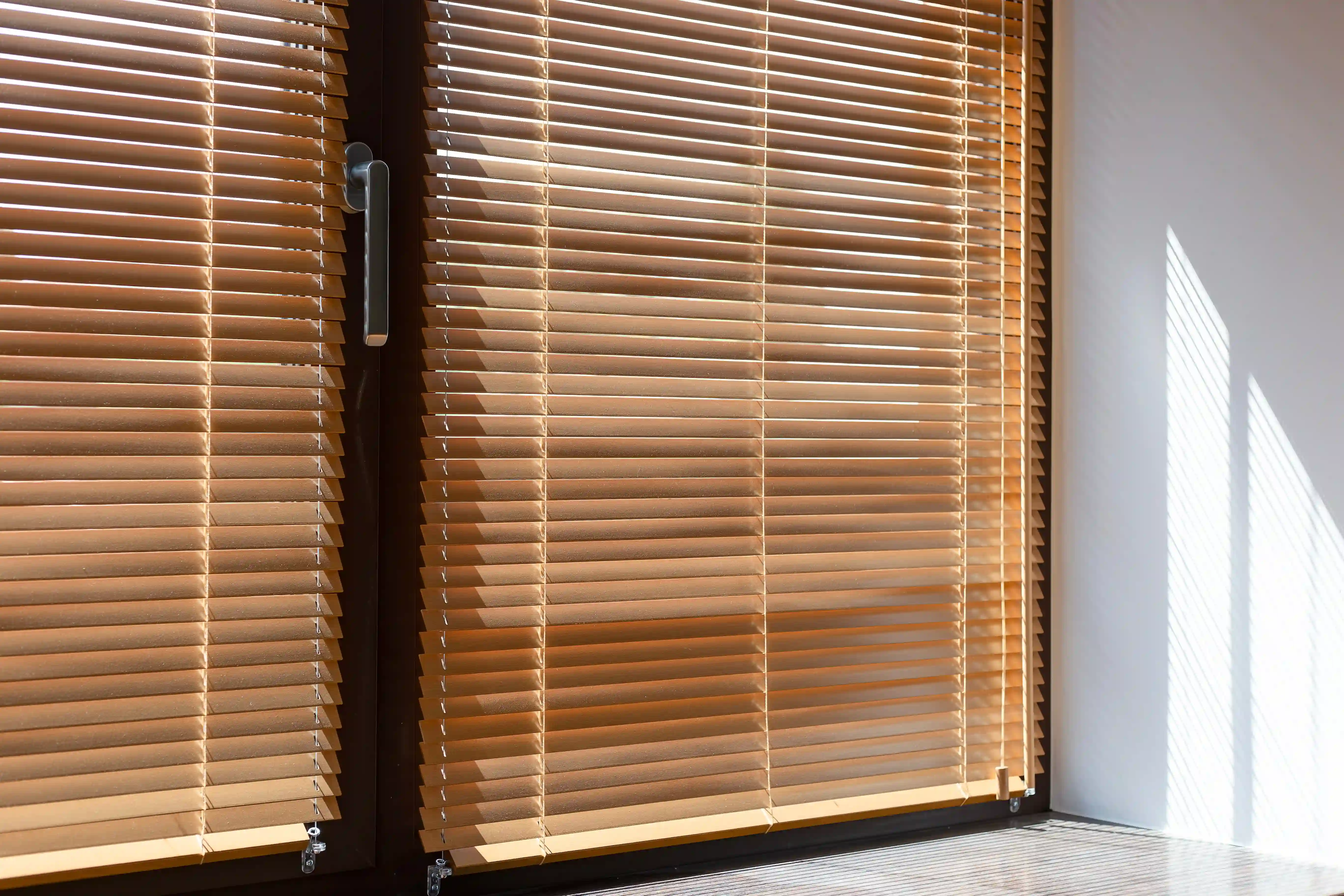
Not all window blinds perform the same when it comes to heat control. When choosing window blinds with heat reduction in mind, consider the following factors. First, material: thicker fabrics and treated materials block more heat. Second, colour: light shades reflect sunlight better than dark tones, which tend to absorb heat. Third, fit and coverage: blinds that closely fit the window frame, with minimal gaps at the sides and bottom, prevent hot air from leaking around them.
If you are especially sensitive to heat, consider installing blackout blinds for windows in the rooms that receive the most sun. For other spaces, standard roller blinds or layered fabric blinds might be enough. You can also combine blinds with reflective films on the glass or with light curtains to create additional layers. The key is to think of window blinds as part of a broader approach to cooling, not just a decorative feature.
Even the best window blinds cannot perform well if they are not used correctly. Adopt a few simple daily habits to get the maximum cooling benefit. In the early morning or late evening, open windows and window blinds to let in fresh, cooler air. Once the sun is up and temperatures begin to climb, close the blinds for windows that receive direct sunlight, especially those facing east and west.
In rooms that stay occupied during the day, you can angle or adjust the window blinds to balance brightness and comfort. For example, slightly tilting the slats or partially lowering roller blinds can cut glare while avoiding a completely dark space. In the evening, when outside temperatures drop, open the window blinds and windows again to release trapped heat. Following this cycle consistently helps maintain a cooler indoor environment, even without constant AC usage.
Window blinds are a powerful starting point, but you can boost their effect by combining them with other simple, low-cost strategies. Ceiling fans or pedestal fans can help move cooler air from shaded parts of the home into warmer rooms. Light-coloured rugs and furniture covers reduce heat absorption, while keeping electronics and lights switched off when not in use prevents additional warmth.
Blackout blinds for windows in the hottest rooms paired with cross-ventilation during cooler hours can noticeably reduce indoor heat. Plants near windows can also provide shade and a small amount of evaporative cooling. When you view window blinds as the primary shield against sunlight and pair them with smart lifestyle habits, you can create a comfortable home that relies much less on air conditioning.
If you have a question about our service or your appointment, see our FAQs here.




.png)