
In a city like Bangalore, where early sunlight and urban lighting are part of everyday life, getting uninterrupted rest can be a real challenge. This is where blackout window curtains make a difference, helping you create a space that feels calmer, darker, and more suited to proper rest.
Unlike standard home curtains or typical blinds for home, blackout window curtains are designed to reduce light penetration significantly. This makes them especially useful in bedrooms where controlling brightness is important. Choosing the right blackout window curtains also means paying attention to curtain fabric, since material plays a key role in how well light is blocked.
Over time, blackout window curtains become less about aesthetics and more about daily comfort. Well-chosen blackout window curtains can support better sleep, privacy, and light control throughout the year. When selected carefully, they blend into your interiors naturally while offering more coverage than most blinds for home.
At first glance, blackout window curtains may seem similar to other home curtains, but what happens inside the curtain fabric is what makes the difference. Unlike standard curtains that simply filter light, blackout window curtains are designed to actively control how much sunlight enters a room.
One of the reasons they are so effective is the use of triple weave technology. This method weaves multiple layers together to create a curtain fabric that naturally blocks more light without feeling stiff or bulky. As a result, blackout window curtains can reduce brightness while still looking elegant in a bedroom or living space.
The overall construction of the curtain fabric also plays a major role. A denser fabric helps reduce light penetration, making the room feel noticeably darker even during the brightest parts of the day. This is why blackout window curtains often perform better than regular home curtains when it comes to managing glare and maintaining privacy.
Of course, the curtain itself is only part of the equation. Proper sizing and installation are equally important. In Bangalore homes, where windows are often large and exposed to strong sunlight, well-fitted blackout window curtains can make a significant difference to overall comfort. When paired with sheer curtains, they also provide the flexibility to adjust natural light throughout the day while maintaining privacy when needed.

Not all blackout window curtains are made from the same curtain fabric. The material used can influence how the curtains look, feel, and perform within a space. Choosing the right fabric depends on the room, the amount of sunlight received, and the overall style of the home. This is why selecting the right fabric is just as important as choosing the right home curtains.
Polyester blackout curtains are among the most popular options for homeowners looking for blackout window curtains that are durable, easy to maintain, and effective at controlling light. This type of curtain fabric works well in bedrooms, living rooms, and apartments where everyday practicality is important. For many homeowners, polyester remains a reliable choice for home curtains that balance performance, affordability, and ease of maintenance.
For homeowners looking for a balance between aesthetics and performance, mixed-fabric blackout curtains are often preferred. These blackout window curtains add texture and visual interest to a room while supporting effective light control and privacy. The combination of materials used in the curtain fabric can create a softer finish and improved drape, making them a versatile option for modern interiors. They are commonly used in master bedrooms and living spaces where home curtains are expected to contribute to the overall décor while still delivering practical functionality.
Another increasingly popular option is thermal blackout curtains. These blackout window curtains are designed not only to block light but also to help regulate indoor temperatures. By reducing heat transfer through windows, they can make rooms feel cooler during summer and more comfortable during cooler months. This makes them a practical choice for homeowners looking for home curtains that offer both comfort and functionality. The specialised curtain fabric used in thermal blackout curtains can also contribute to improved insulation and energy efficiency.
When selecting blackout window curtains, it is important to consider both the curtain fabric and the performance requirements of the room. The right choice can enhance comfort, improve privacy, and ensure your home curtains continue to perform well for years to come.
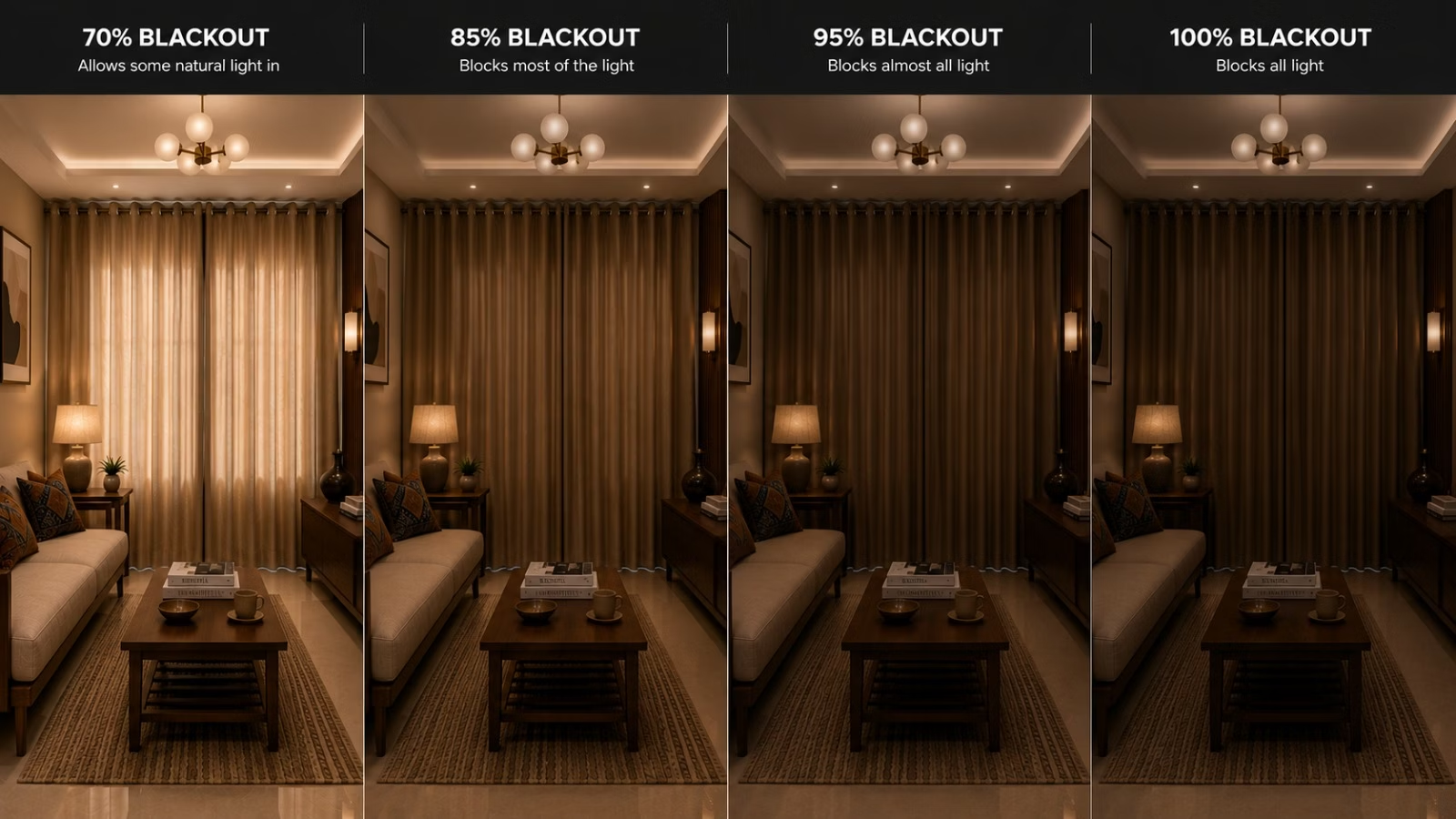
Not all blackout window curtains deliver the same level of darkness. In fact, the percentage attached to blackout curtains refers to how much light they are designed to block, making it easier to choose the right option for different rooms and lifestyles.
70% blackout window curtains are ideal for spaces where you still want some natural daylight. They help soften harsh sunlight and reduce glare, making them suitable for living rooms and family spaces.
85% blackout window curtains are one of the most popular choices for Bangalore homes. They provide a noticeable reduction in brightness while keeping the room comfortable and inviting. For many homeowners, this level offers the right balance between light control and practicality.
95% blackout window curtains are often preferred for bedrooms, especially in homes that receive strong morning or afternoon sunlight. They create a darker environment that can support better sleep and greater privacy.
100% blackout window curtains are typically used when complete darkness is the goal. Achieving this level of blackout usually depends on a combination of curtain fabric, GSM, window coverage, and installation. They are often chosen for home theatres, nurseries, or bedrooms where light needs to be controlled as much as possible.
Understanding these blackout levels helps ensure that your blackout window curtains are matched to how each room is used, rather than simply choosing the darkest option available.
While most homeowners choose blackout window curtains for better light control, many are surprised by how much they can improve comfort throughout the year. The right curtain fabric does more than block sunlight. It also helps create a more comfortable indoor environment by supporting better temperature regulation inside the home. For homeowners comparing different home curtains, this added functionality is often an important advantage.
One of the most noticeable benefits is heat reduction. During warmer months, sunlight passing through windows can quickly raise indoor temperatures. Blackout window curtains help reduce this heat gain, preventing excessive warmth from entering the room and making interiors feel cooler and more comfortable throughout the day.
This naturally contributes to better energy efficiency, making blackout window curtains a practical addition to rooms that receive strong sunlight throughout the day. When rooms stay cooler for longer, air conditioning systems do not need to work as hard to maintain comfortable temperatures. For Bangalore homes that experience long periods of sunshine, this can make a meaningful difference over time.
Blackout window curtains also offer a degree of UV protection. Quality blackout window curtains can help protect furniture, flooring, and upholstery from prolonged sun exposure. Direct sunlight can gradually fade furniture, flooring, artwork, and upholstery. By limiting UV exposure, blackout window curtains help preserve the look of your interiors for longer.
Another advantage is temperature insulation. The curtain fabric creates a barrier between the glass and the room, helping to reduce temperature fluctuations throughout the day. During summer, blackout window curtains help limit heat from entering the home, while during cooler months they help retain indoor warmth, creating a more comfortable living environment year-round. This benefit makes them a practical choice among modern home curtains, especially for rooms exposed to direct sunlight. This also helps improve air conditioning efficiency. By reducing heat transfer through windows, blackout window curtains can help maintain indoor temperatures more effectively and support overall energy efficiency.
When choosing blackout window curtains, most homeowners focus on colour, style, or curtain fabric, but GSM is another important factor that should not be overlooked. GSM, which stands for grams per square metre, measures the weight and density of a fabric. In simple terms, a higher GSM indicates a denser curtain fabric, while a lower GSM fabric tends to be lighter.
The GSM of a curtain fabric can influence several aspects of how blackout window curtains perform. Fabrics with a higher GSM generally offer better light control, improved privacy, and a fuller appearance when installed. They also tend to drape more elegantly, giving home curtains a premium and well-finished look.
As a general guideline, curtain fabrics in the 250–350 GSM range are often suitable for blackout window curtains in most Indian homes. This range typically offers a good balance between light control, durability, and ease of maintenance. For rooms that receive strong sunlight throughout the day, some homeowners may prefer blackout window curtains with an even higher GSM for enhanced coverage and insulation.
Lower GSM fabrics, on the other hand, are lighter and may be better suited to spaces where complete blackout is not the primary requirement. While they can still function effectively as home curtains, they may allow more light penetration depending on the fabric construction and lining used.
GSM can also affect insulation. Blackout window curtains made from a denser curtain fabric often provide better temperature regulation by helping reduce heat transfer through windows. This can make rooms feel cooler during warmer months and more comfortable during cooler seasons.

When choosing blackout window curtains, most homeowners focus on the curtain fabric, colour, or blackout percentage. However, the stitching style can have a significant impact on how blackout window curtains look, function, and perform over time. The right stitching not only improves the overall appearance of home curtains but can also influence light control and coverage.
Ripple curtains create smooth, continuous folds that give blackout window curtains a clean and contemporary appearance. This stitching style is popular in modern homes because it allows the curtain fabric to fall evenly while maintaining a neat, streamlined look.
Eyelet curtains are one of the most common choices for home curtains due to their ease of operation and simple design. The metal rings allow blackout window curtains to glide smoothly along the curtain rod, making them practical for everyday use while still providing effective light control.
Pinch pleat curtains offer a more structured and tailored finish. This stitching style creates uniform folds in the curtain fabric, giving blackout window curtains a more elegant and formal appearance. They are often chosen for bedrooms and living spaces where both aesthetics and functionality are important.
Back loop blackout window curtains can be an effective solution for homeowners seeking a clean and understated look. The loops are stitched onto the back of the curtain, concealing most of the curtain rod and creating a neat, seamless appearance. As home curtains, they offer a more tailored finish while allowing the curtain fabric to fall smoothly and evenly. This approach is particularly useful for bedrooms, living rooms, and modern interiors where both aesthetics and functionality are important.
Even the best curtain fabric may not deliver the desired results if there are gaps around the window. Proper stitching, accurate measurements, and suitable mounting styles all help blackout window curtains sit closer to the window frame. Reducing these gaps improves light control and allows blackout window curtains to perform more effectively throughout the day.
Choosing blackout window curtains may seem straightforward, but a few common mistakes can affect how well they perform over time. Many homeowners focus only on how the curtains look, without considering factors that influence light control, comfort, and durability.
One of the most common mistakes is choosing blackout window curtains based only on colour. While darker shades are often associated with better blackout performance, the effectiveness of the curtains depends far more on the curtain fabric, construction, and GSM than the colour itself.
Many buyers also pay little attention to lining selection. The right lining can improve light control, privacy, insulation, and the overall longevity of blackout window curtains. Even a good curtain fabric may not deliver the expected blackout performance if the lining is not suitable. Choosing the appropriate lining often makes a noticeable difference in everyday use, especially in rooms that receive strong sunlight throughout the day. For homeowners investing in premium home curtains, selecting the right lining is just as important as choosing the curtain fabric itself.
Finally, low-quality stitching and finishing can affect how blackout window curtains look and function over time. High-quality blackout window curtains tend to hang better, operate more smoothly, and retain their appearance for longer. Well-finished curtains hang better, operate more smoothly, and maintain their appearance for longer, making them a worthwhile long-term investment for any home.
If you have a question about our service or your appointment, see our FAQs here.




.png)