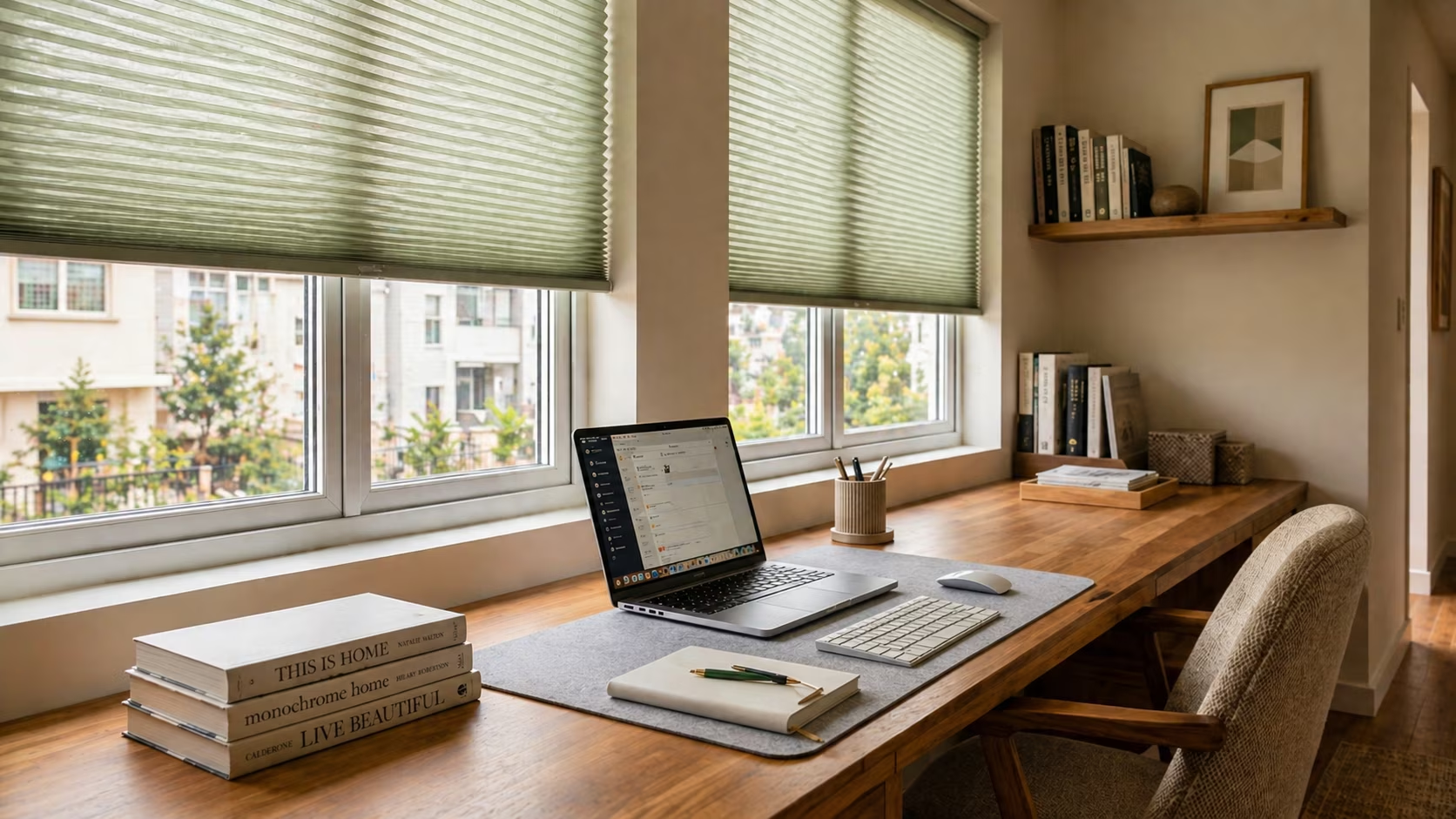
If you have ever noticed how quickly a room starts to feel warm by afternoon, you already understand how much your windows shape everyday comfort. In Indian homes, sunlight is something we value, but it can also become overwhelming during long summer months. Bright glare, rising indoor temperatures, and limited privacy in urban settings are all part of daily living. Because of this, more homeowners are now looking at blinds for home not just as a design choice, but as something that can actively improve how a space feels.
This is where cellular blinds make a meaningful difference. Unlike regular window blinds for home, cellular blinds are designed to manage multiple concerns at once. They reduce heat, soften strong sunlight, and provide privacy without making the room feel closed or heavy. Instead of being something you constantly adjust, cellular blinds settle into your routine and quietly support comfort through the day. Over time, they become less about appearance and more about how naturally your home works.
Whether you live in a compact apartment or a spacious independent home, the right cellular blinds for home can transform how every room feels across all seasons.
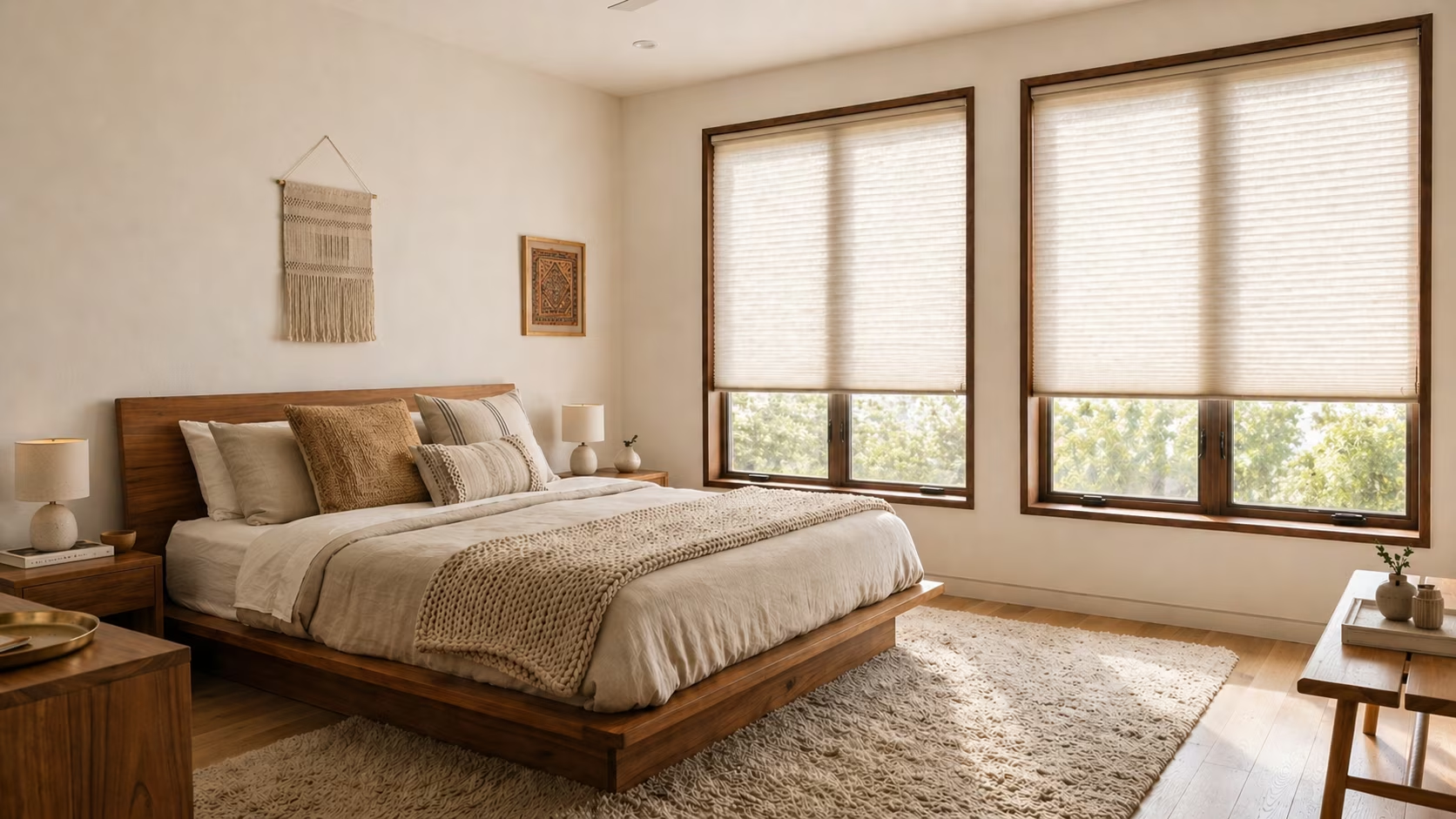
Cellular blinds are a type of window covering built around a unique honeycomb structure that does more than simply block light. Each cell traps a pocket of air against the glass, creating a natural barrier that slows down heat transfer and helps regulate the temperature inside the room. As blinds for home that combine insulation, light control, and privacy in a single solution, cellular blinds stand apart from most conventional window blinds for home available in the Indian market.
At first glance, cellular blinds may appear simple, but their construction is what makes them genuinely effective. They are built using a honeycomb structure that traps air within small pockets, creating a natural layer of insulation between the window and the room. This is what sets cellular blinds apart from most other blinds for home. Rather than only blocking light, they slow down the transfer of heat, which is particularly useful in Indian conditions where windows are exposed to strong sunlight for long hours.
Cellular blinds are available in single cell and double cell constructions. Single cell cellular blinds work well for rooms that need basic light filtering, while double cell designs offer stronger insulation and are better suited for spaces that receive direct afternoon sun. As window blinds for home, both variants allow natural light to filter through in a softer, more diffused way, so the room still feels bright without the discomfort of glare. This balance between light control and insulation is what makes cellular blinds a practical choice for everyday use in Indian homes. When chosen as the primary window blinds for home, they offer a level of performance that most standard options simply cannot match.
Indian homes deal with a unique set of challenges that most standard window coverings are simply not built to handle. Intense afternoon heat, strong directional sunlight, and the need for privacy in densely populated neighbourhoods all demand a solution that works across multiple fronts at once. Cellular blinds are designed to meet exactly these conditions, making them one of the most practical blinds for home in the Indian context, whether you live in a ground floor apartment or a sun-facing independent house.
Indian homes often require solutions that can handle more than one challenge at the same time. Strong sunlight, heat build-up, and the need for privacy are common concerns across both apartments and independent houses. While wooden blinds are a popular choice for their warmth and texture, cellular blinds go a step further by addressing heat, light, and privacy together without adding complexity to your space.
In rooms that receive direct sunlight, cellular blinds help reduce the amount of heat entering the space, making it more comfortable during peak hours. This is one of the reasons they are increasingly preferred as blinds for home over traditional alternatives. As window blinds for home, cellular blinds also help reduce reliance on air conditioning, which becomes especially important during warmer months. For households looking to manage electricity costs, this is a practical long-term advantage that ordinary blinds for home simply cannot offer.
Cellular blinds support privacy in a way that feels natural and unforced. In many urban homes, windows face neighbouring buildings or shared spaces, making it difficult to keep curtains open through the day. Unlike wooden blinds, which perform best in low humidity areas, cellular blinds allow diffused light to enter while limiting visibility from outside, making them a more versatile choice of window blinds for home across different rooms. Over time, this creates a space that feels more open, yet still private, comfortable, and well-lit.
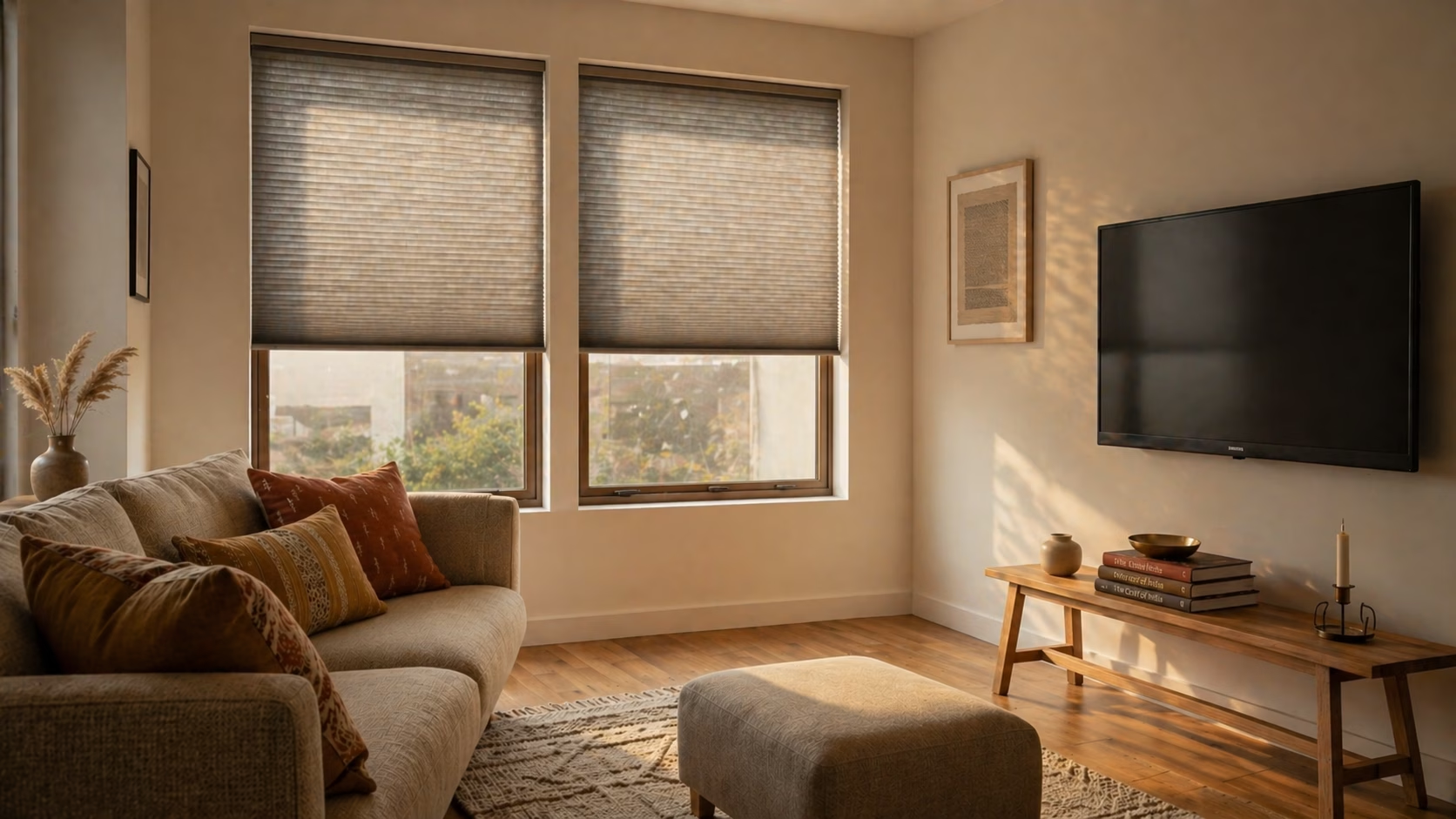
The difference cellular blinds make is not always immediately visible, but it becomes clear in how a room feels to live in across the course of a day. By quietly managing heat, softening incoming light, and reducing the need for constant adjustments, cellular blinds for home create an environment that simply feels more settled and comfortable.
The real benefit of cellular blinds becomes clear when you live with them over time. They are not just about how a room looks, but how it feels from morning to evening. One of the most noticeable differences is temperature control. By reducing the amount of heat entering through the windows, cellular blinds for home help rooms stay cooler for longer, especially during the hotter parts of the day. While roller blinds offer a sleek and minimal look, cellular blinds take comfort a step further, giving you practical temperature control without the need for constant adjustments.
Cellular blinds also change how light behaves within the space. Instead of sharp, direct sunlight, cellular blinds create a softer and more even distribution of light. This makes everyday activities more comfortable, whether you are relaxing, reading, working, or spending time with family. As window blinds for home, they go beyond what roller blinds typically offer by maintaining a sense of brightness while actively reducing the discomfort that comes with strong afternoon sunlight in Indian homes.
Another advantage is how easy cellular blinds are to live with day to day. Simple to operate and requiring minimal maintenance, cellular blinds fit naturally into different types of interiors. A light wipe with a dry or slightly damp cloth is usually enough to keep them looking fresh. Over time, they contribute to a home that feels more balanced, where light, temperature, and privacy all work together smoothly. As blinds for home that require little upkeep, cellular blinds are a more complete long-term investment compared to most standard window blinds for home, and a practical one for any Indian household.
One of the most practical qualities of cellular blinds is how naturally they adapt to different rooms, each with its own light conditions, privacy needs, and daily patterns of use. Whether installed in a sun-drenched living room, a bedroom that needs darkness in the early morning, or a workspace where screen glare is a constant concern, cellular blinds for home deliver consistent performance across every setting. As window blinds for home that work equally well in compact apartments and larger independent houses, they remain one of the most versatile blinds for home available today.
One of the greatest strengths of cellular blinds is how easily they adapt to different spaces within the home. In living rooms, cellular blinds help manage changing light conditions throughout the day, especially in spaces with large windows or balcony access. As window blinds for home living areas, they allow the room to stay bright while reducing heat and harsh glare during afternoon hours. The result is a living space that remains comfortable and welcoming across different times of the day.
In bedrooms, cellular blinds create a more comfortable sleeping environment by helping control both temperature and incoming light. This is particularly useful in homes where early morning sunlight can be strong and disruptive. For a complete blackout effect, thicker fabric options are available that block light almost entirely, making them ideal blinds for home bedrooms where rest and recovery are a priority. When chosen as the primary window blinds for home in bedrooms, they make a noticeable difference to sleep quality.
In workspaces and study areas, cellular blinds reduce glare on screens while still allowing diffused natural light to enter. This makes them one of the more practical window blinds for home office settings, supporting focus and reducing eye strain through the day. While Roman blinds add a decorative element to a room, cellular blinds are the better choice where light control and functionality come first. Using cellular blinds across multiple rooms also creates a sense of visual consistency throughout the home, while still allowing each space to function well on its own terms. As a category of window blinds for home, they remain one of the most versatile and thoughtfully designed options available in the Indian market today.
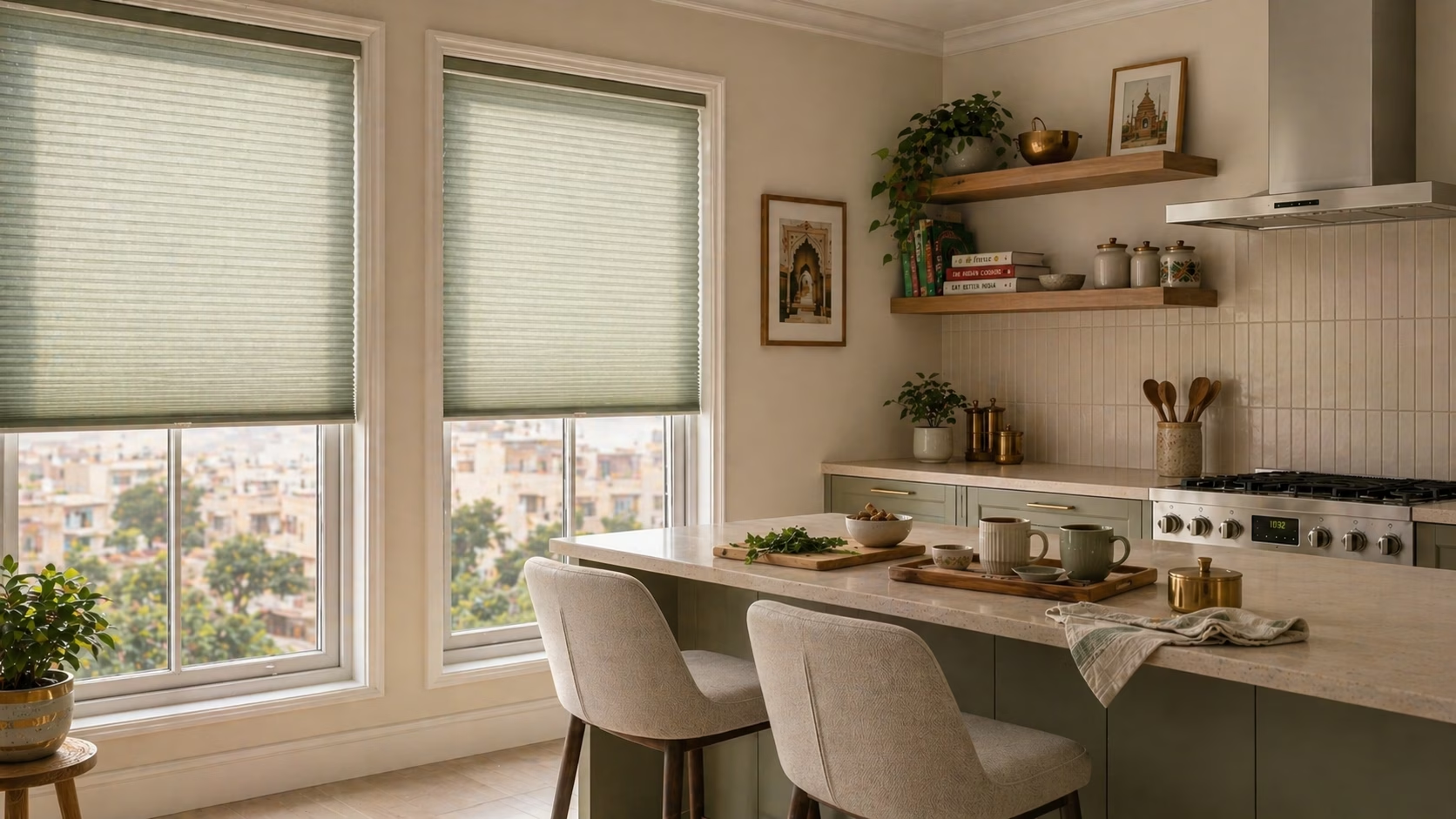
Choosing the right cellular blinds begins with understanding how your home behaves at different times of the day. Observing how sunlight enters each room and how the temperature shifts from morning to evening can help you make more informed decisions. Rooms that receive direct sunlight for longer hours will benefit most from double cell cellular blinds because of their stronger insulating capacity.
When it comes to fabric, light filtering cellular blinds work well for living areas and kitchens where you want natural brightness without glare. Blackout variants are better suited for bedrooms and media rooms. As blinds for home in neutral tones, they blend naturally into most Indian interiors, while bolder colours can work as an accent if the overall design of the space allows for it. Choosing cellular blinds in the right shade can also enhance how spacious and airy a room feels throughout the day.
For measuring, always check the window width and height at multiple points, since walls in older Indian homes can be slightly uneven. Most suppliers offer custom sizing, which ensures a clean and accurate fit. As window blinds for home, the right measurements make them easier to operate and more effective at managing light and heat across different seasons. These small considerations go a long way in making sure your cellular blinds perform well over time and continue to feel like a natural part of the home.
In many ways, the best additions to a home are the ones you do not have to think about constantly. Cellular blinds fall into this category. They do not demand attention, yet they quietly improve how your home feels every day. From reducing heat to softening light and maintaining privacy, cellular blinds handle multiple needs at once in a way that feels simple and intuitive.
As blinds for home, they offer a solution that is both functional and easy to live with. As window blinds for home, they fit naturally into modern Indian spaces without adding complexity. Over time, cellular blinds become part of how your home works, contributing to a space that feels more comfortable, more balanced, and easier to enjoy every day.
If you have a question about our service or your appointment, see our FAQs here.




.png)