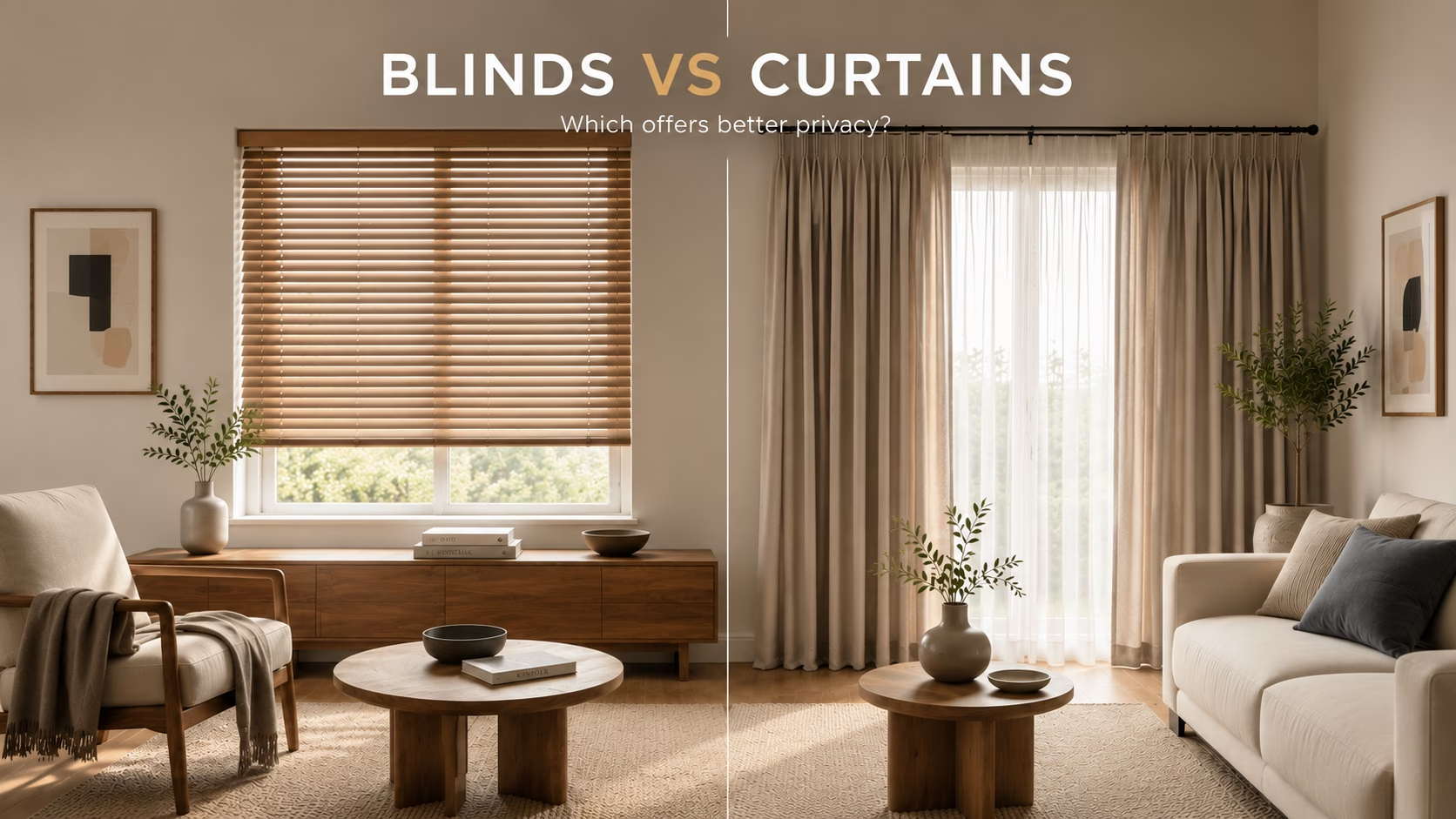
Privacy means something different to every homeowner. For some, it's about preventing neighbouring apartments from looking into their living room. For others, it's about creating a bedroom that feels quiet and secluded or reducing visibility from a busy street outside. The right window furnishing plays an important role in achieving that balance without making your home feel dark or enclosed.
As Bangalore continues to grow, homes are being built closer together, with larger windows becoming a defining feature of modern apartments and villas. While these windows allow more natural light into the home, they also make privacy an important consideration. Choosing between blinds for windows and curtains isn't always straightforward, especially when every room has different lighting, views, and privacy requirements.
Many homeowners assume there's a simple answer, but the reality is that the best solution depends on how the space is used. In some rooms, window blinds provide better flexibility by allowing you to adjust light and privacy throughout the day. In others, curtains and blinds work together to create a layered solution that offers both comfort and functionality.
Understanding how privacy changes from room to room makes it much easier to choose blinds for windows or layered curtains and blinds that suit your lifestyle rather than simply following design trends.
When people think about privacy, they often imagine completely covering a window. In reality, privacy is much more dynamic. The amount of natural light entering your home, the direction your windows face, nearby buildings, and even the time of day all influence how private a room feels.
For example, a living room overlooking a landscaped community may require a different solution from a bedroom facing neighbouring apartments. Likewise, homes located along busy roads often have different privacy requirements compared to homes in quieter residential areas. Choosing the right blinds for windows starts with understanding how each room interacts with its surroundings.
Another important factor is flexibility. During the day, many homeowners want natural light without feeling exposed to the outside. At night, however, the same room may require greater privacy once interior lights are switched on. Modern window blinds make it easier to adjust light levels throughout the day, while thoughtfully layered curtains and blinds provide additional flexibility whenever complete privacy is required.
Instead of asking whether blinds or curtains are better, homeowners should first identify what kind of privacy they actually need. This approach makes it much easier to choose blinds for windows that suit everyday living while allowing curtains and blinds to work together where additional coverage is beneficial.
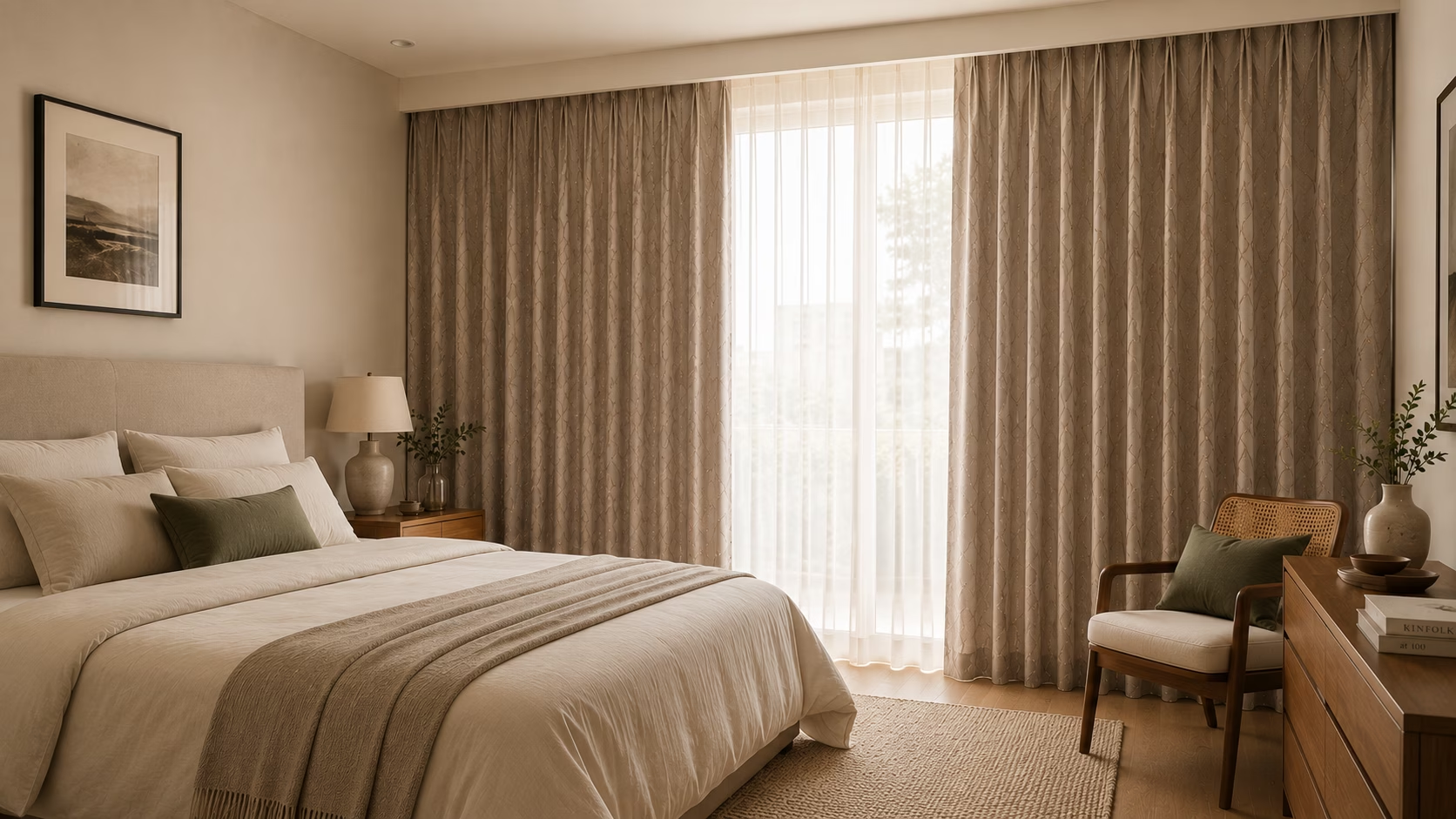
No two windows behave the same way. The level of privacy you need depends on several practical factors that are often overlooked during the buying process.
Window direction is one of the biggest considerations. East-facing windows receive bright morning light, while west-facing windows experience stronger afternoon sun. These changing light conditions influence how much visibility there is both inside and outside the home. Choosing suitable blinds for windows allows homeowners to adjust privacy as daylight changes throughout the day.
Floor level also makes a difference. Ground-floor homes generally require greater privacy than apartments located on higher floors. Similarly, balconies facing neighbouring buildings may need different window blinds compared to windows overlooking gardens or open spaces.
The way each room is used is equally important. Bedrooms often benefit from greater privacy throughout the day and night, while living rooms may prioritise flexibility. Kitchens and study areas usually require natural light alongside a comfortable level of privacy, making carefully selected blinds for windows a practical solution.
It's also worth considering whether one product needs to do everything. In many Bangalore homes, curtains and blinds are used together because they provide greater flexibility than either option alone. Layering allows homeowners to enjoy daylight when they want it while adding privacy whenever required.
Thinking about these factors before shopping helps ensure your blinds for windows continue meeting your needs long after they've been installed.
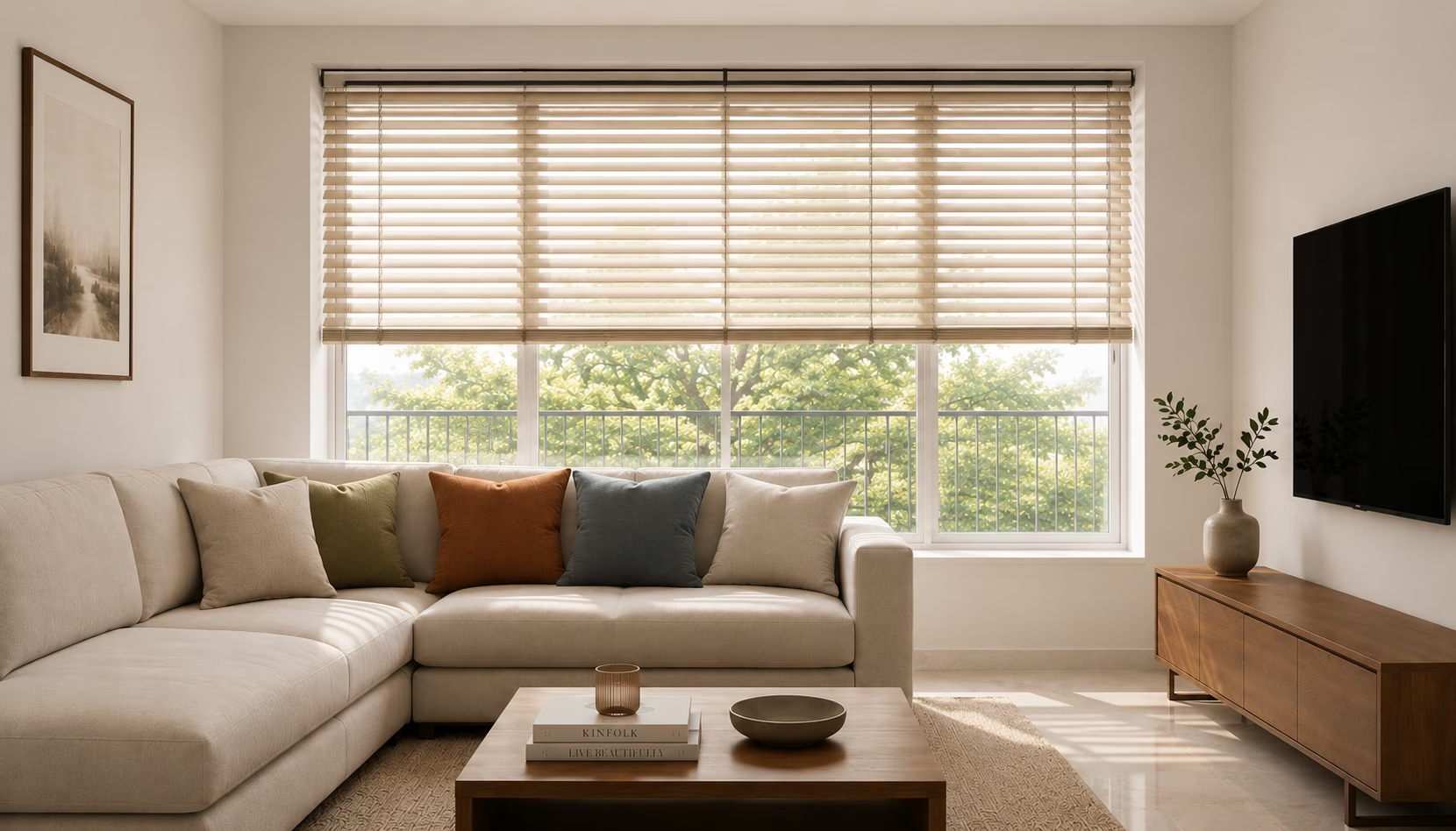
There are many situations where blinds for windows provide a more practical privacy solution than curtains alone. Because they can be adjusted incrementally, they allow homeowners to control visibility without completely blocking natural light.
Living rooms often require the greatest flexibility because they're used throughout the day. Adjustable window blinds allow homeowners to reduce glare, maintain privacy, and still enjoy daylight without making the room feel closed off. For many modern apartments, blinds for windows provide a cleaner, more adaptable solution for everyday living.
As more people work from home, controlling glare has become just as important as maintaining privacy. Well-positioned window blinds help reduce reflections on computer screens while limiting visibility from neighbouring buildings. Choosing blinds for windows that adjust easily allows the workspace to remain comfortable throughout the day.
Kitchens benefit from window coverings that are compact, practical, and easy to maintain. In these spaces, blinds for windows provide privacy without occupying unnecessary space around countertops or cabinetry. Compared to longer fabrics, window blinds are often easier to keep clean while continuing to offer everyday functionality.
While blinds for windows offer excellent flexibility, there are situations where curtains provide a greater sense of privacy and comfort. The key is choosing the right style based on how the room is used rather than simply selecting a fabric that complements the décor.
Blackout curtains are often the preferred choice for bedrooms because they provide complete coverage while helping reduce unwanted light from entering the room. Homes facing busy roads or neighbouring buildings can also benefit from blackout curtains, particularly where privacy is a priority throughout both the day and night. When paired with window blinds, they create a layered solution that offers greater control over light and visibility.
Sheer curtains are ideal for homeowners who want to maintain privacy during the day without making the room feel enclosed. They gently diffuse natural light while limiting direct visibility from outside, making them well suited to living rooms and apartments with nearby buildings. Many homeowners combine sheer curtains with blinds for windows, allowing each layer to serve a different purpose throughout the day.
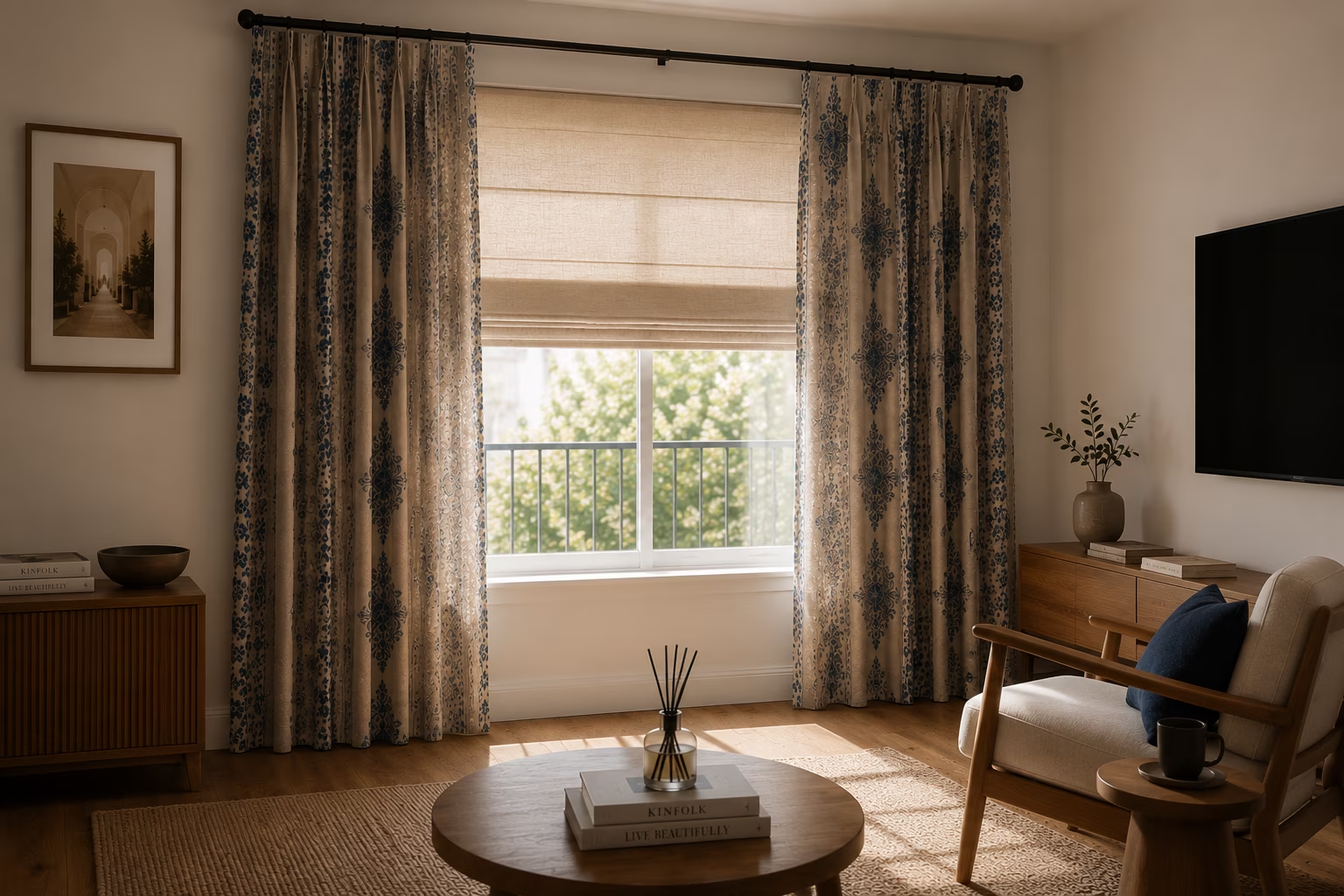
For many modern homes, choosing between curtains and blinds isn't necessary. Layering curtains and blinds creates a more flexible solution that adapts to changing light conditions, different privacy needs, and everyday living.
A patterned curtain paired with Roman blinds can bring another layer of character to a room without compromising privacy. The pattern adds visual interest and softness, while the Roman blinds provide a neat, adjustable layer of privacy and light control. This combination works particularly well in bedrooms and living spaces where you want the window treatment to feel considered rather than purely functional.
This is the strongest combination to talk about as a tried-and-used pairing. The roller blind handles privacy and light control, while the sheer curtain softens the window and allows filtered daylight into the room. It's particularly useful when you want privacy without making the window treatment feel heavy.
This combination works when you want the practical performance of cellular blinds alongside the softness and visual warmth of curtains. The cellular blind sits closer to the window, while the curtain creates a more finished look around it. It can also provide an additional layer of insulation and privacy.
Day & Night blinds can be paired with curtains when you want adjustable privacy during the day and an additional layer in the evening. The blind allows you to control visibility and daylight, while the curtain can be drawn when you want greater privacy or a softer, more enclosed feel.
I'd also keep the patterned curtains + Roman blinds combination you added earlier. That's a much more design-led combination and gives you a nice contrast: patterned curtains + Roman blinds for style, and roller blinds + sheers for a more widely used functional pairing.
Choosing the right privacy solution isn't about deciding whether curtains are better than blinds or vice versa. It's about understanding how each room is used, how much natural light it receives, and the level of privacy your household needs throughout the day.
For some homes, adjustable window blinds provide all the flexibility required. Others benefit from combining curtains and blinds to create layered privacy that adapts as daylight changes. Bedrooms may need blackout curtains, while living rooms often work well with sheer curtains and carefully selected blinds for windows that maintain privacy without sacrificing natural light.
By considering your home's layout, window direction, and daily routine, you'll be able to choose blinds for windows and curtains and blinds that continue to deliver comfort, privacy, and functionality long after they're installed.
If you have a question about our service or your appointment, see our FAQs here.




.png)